WHY WOOL
Larvae eat keratin
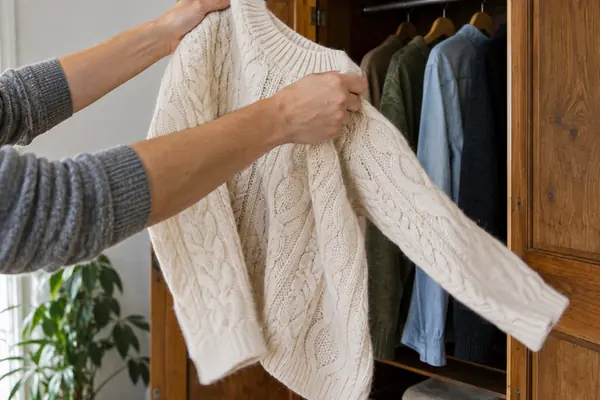
Clothes moth larvae can digest keratin, found in wool, fur, feathers and hair. They prefer stained or dirty fibres, so worn jumpers are most at risk.
Check your region
 doodlejumper
WOOL, WARDROBES AND MOTHS
CLEAN before you store
The holes are made by tiny caterpillars.
Adult clothes moths don't eat at all. Their larvae digest keratin, the protein in wool, and they prefer dirty clothes in dark, undisturbed places. Museums protect priceless textiles with a few simple habits you can use at home.
Updated
Check your regionTHE SHORT ANSWER
Moth larvae like dirt, darkness and peace and quiet.
Take those away and wool is far safer.
WHY WOOL
Clothes moth larvae can digest keratin, found in wool, fur, feathers and hair. They prefer stained or dirty fibres, so worn jumpers are most at risk.
Check your regionWARDROBES
English Heritage suggests taking out hanging items and shaking them at least once a month: clothes moths hate being disturbed.
Monthly routineSTORAGE
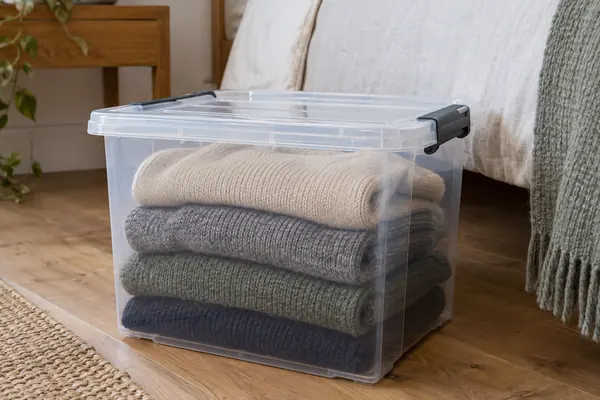
Wash or dry-clean wool before long storage, then pack it in vacuum bags or tight-lidded boxes. Cleaning removes eggs and the odours that attract moths.
If you find mothsA QUICK REGION CHECK
English Heritage asked the public to trap clothes moths at home and send in their results. Pick a region to see the average catch of common clothes moths per trap. The bar shows how high that is.
From English Heritage's Operation Clothes Moth, launched in April 2017, with results published a year later.
TWO NUMBERS WORTH KNOWING
Both figures from English Heritage's
Operation Clothes Moth.
2×
Rise in common clothes moths over five years
English Heritage conservators saw numbers of the common, or webbing, clothes moth double over five years at the properties in their care, prompting the survey.
TREND · ENGLISH HERITAGE
5,000
Traps collected from the public
Visitors took home free traps, and data came in from 42 counties, compared with the 11 counties where English Heritage monitors moths itself.
SURVEY · ENGLISH HERITAGE
Flats were found to be more susceptible because of shared walls, and older pre-1950 homes because of their voids, fireplaces and attics.
A MONTHLY WARDROBE ROUTINE
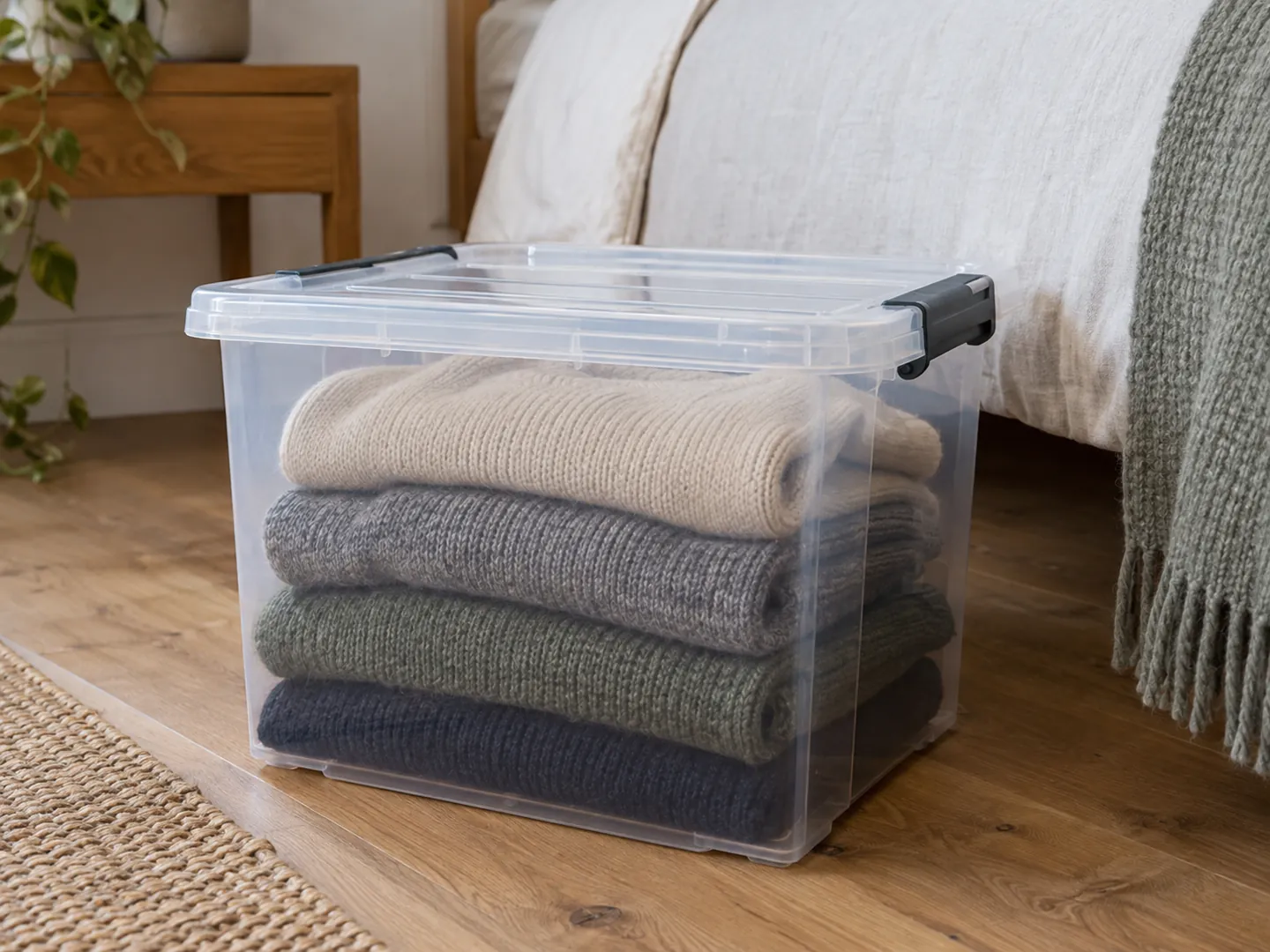
These habits come from English Heritage's tips for preventing clothes moths at home.
Check crevices, creases and folds of clothing, and behind labels, for larvae, webbing or cases.
Take wool items out of the wardrobe and shake them at least once a month.
Vacuum around the bottom of wardrobes and shelves, and under furniture that sits on carpet.
Make sure clothes are clean before storing them, in vacuum bags or boxes with sealed lids.
IF YOU FIND MOTHS
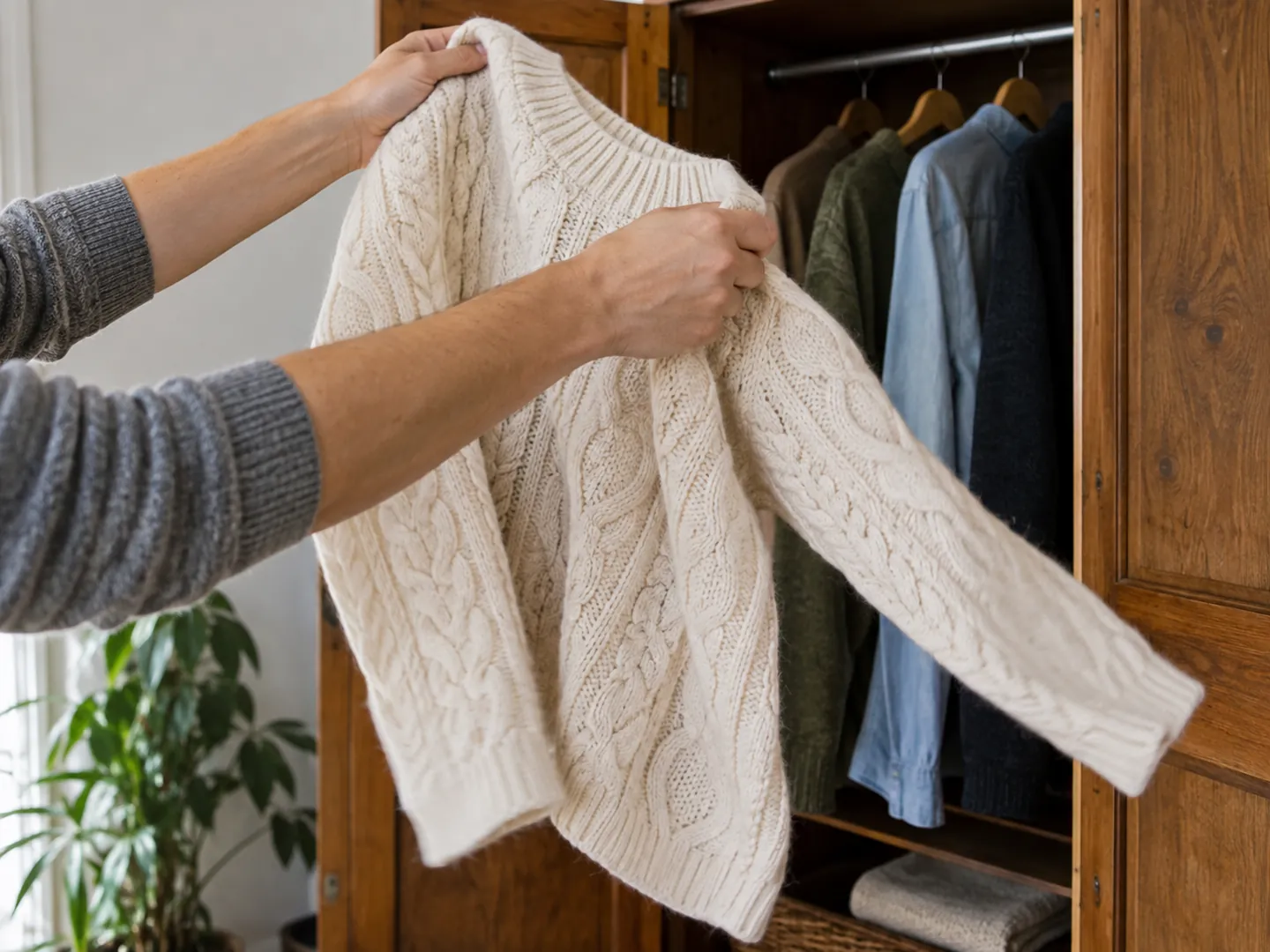
Museum Wales treats infested objects by sealing them in a plastic bag and putting them in a deep freeze for two to three days, killing insects, eggs and larvae without damage or toxic residues. Insecticides are its last resort.
University of Kentucky entomologists add that dry-cleaning or hot laundering kills eggs and larvae, that infested clothing should not be treated with insecticides, and that cedar chests are seldom effective because they do not seal well enough.
Questions
The adults don't eat at all. The damage is done by the larvae, which can digest keratin, the protein in wool, fur, feathers and hair.
Larvae prefer stained or dirty fibres, and dark, undisturbed places. Clothes in regular use are seldom infested; items stored for long periods are most at risk.
Rarely. University of Kentucky entomologists say cotton and synthetics are rarely attacked unless blended with wool or heavily soiled with food stains or body oils.
Museums do. Museum Wales bags objects and deep-freezes them for two to three days. University of Kentucky guidance says to let items return to room temperature for about 24 hours before unwrapping.
Traps with a synthetic female pheromone attract male moths. Museums and entomologists use them mainly to detect infestations early, when the pests are hard to find by inspection alone.
Sources
ABOUT THIS NAME
doodlejumper.com is part of the DoodleSale portfolio. It isn't in an auction right now, but you can ask about leasing it.